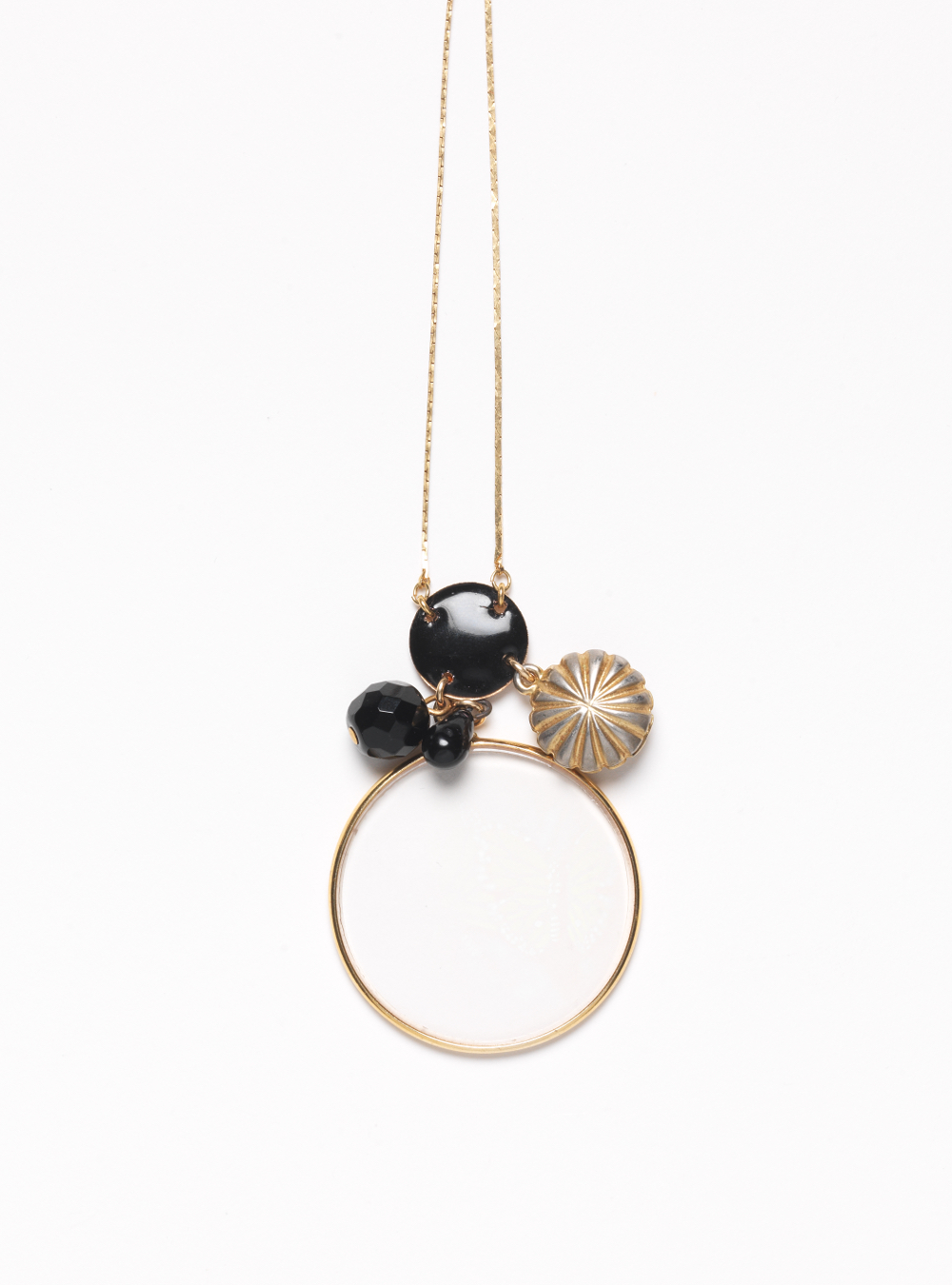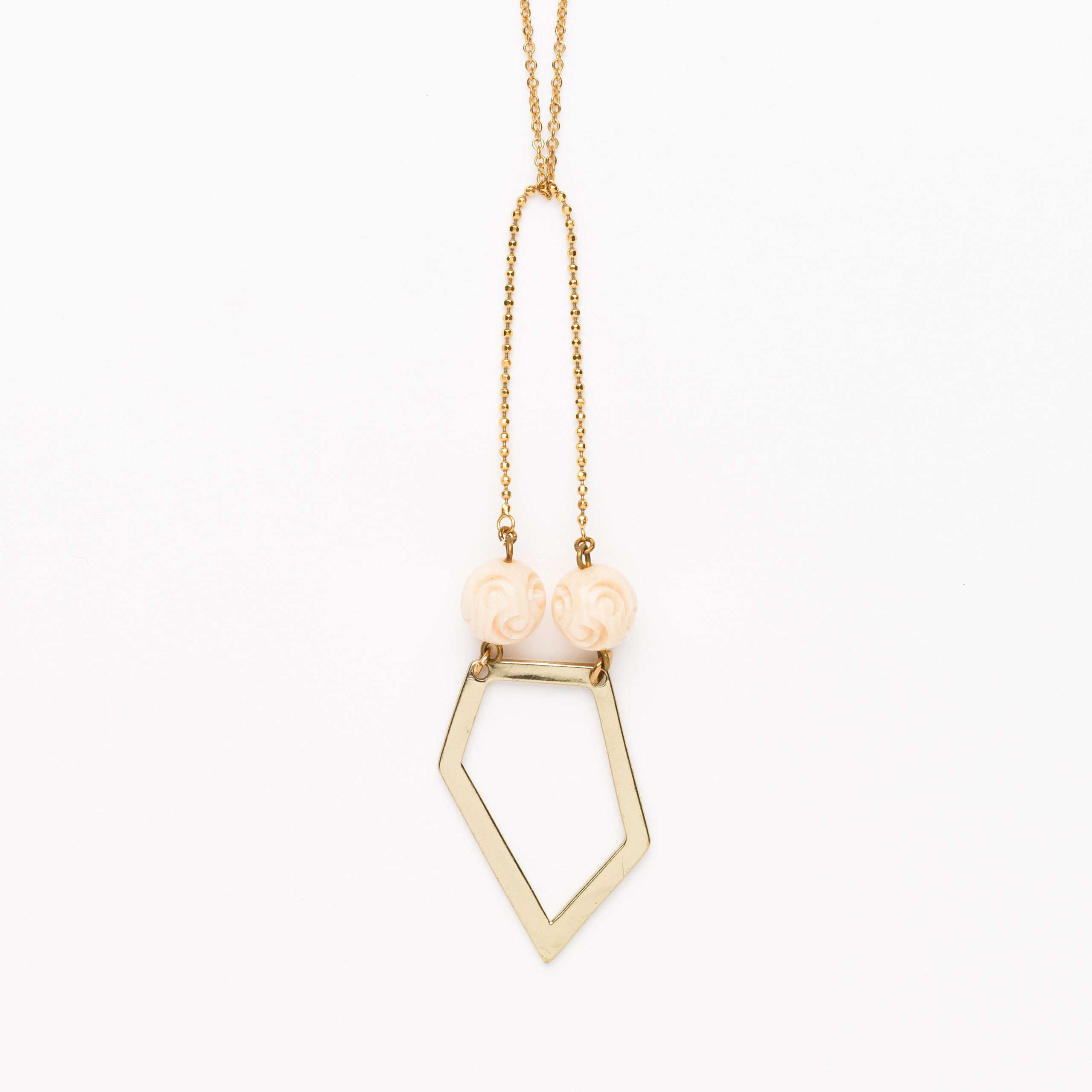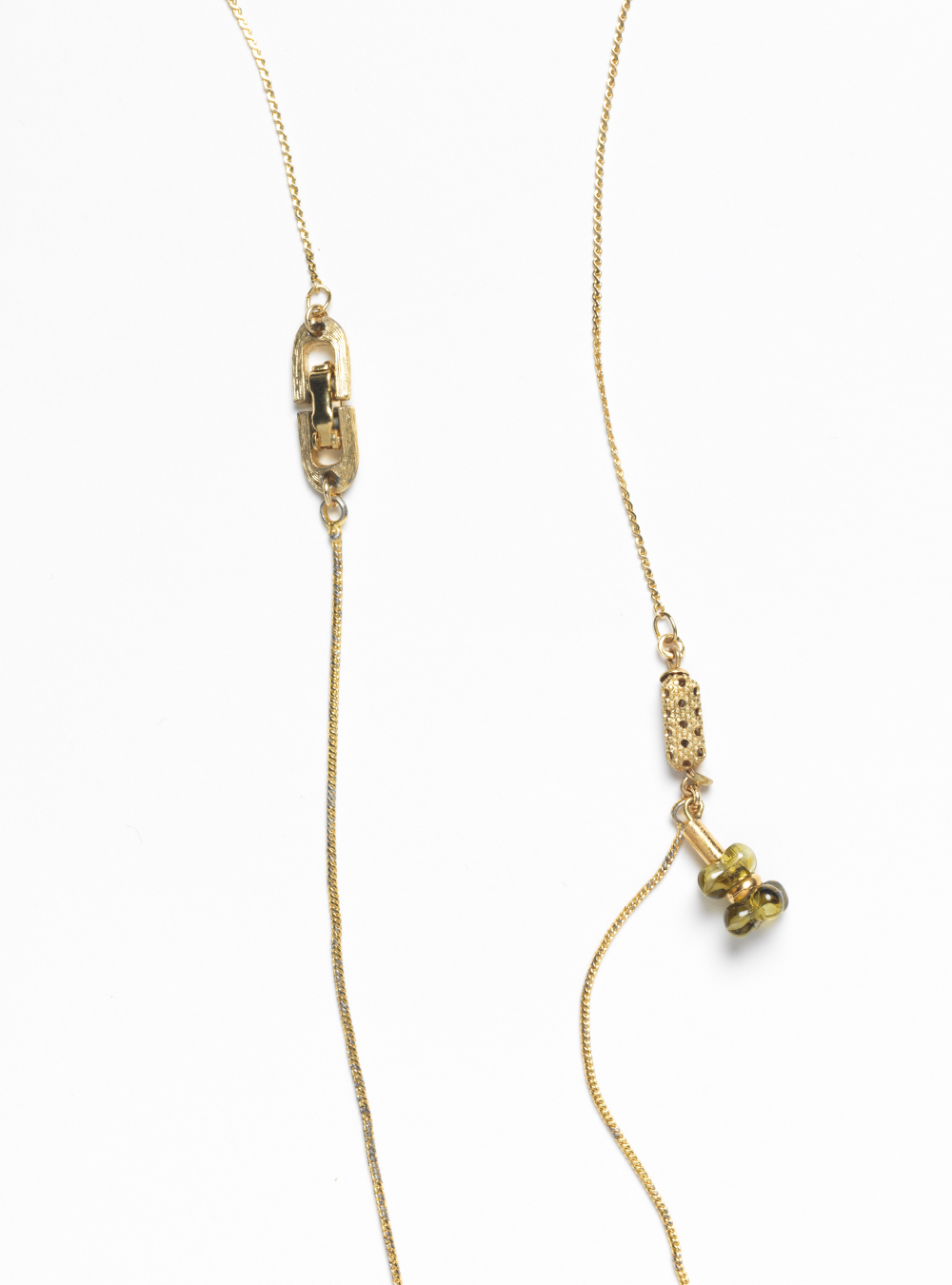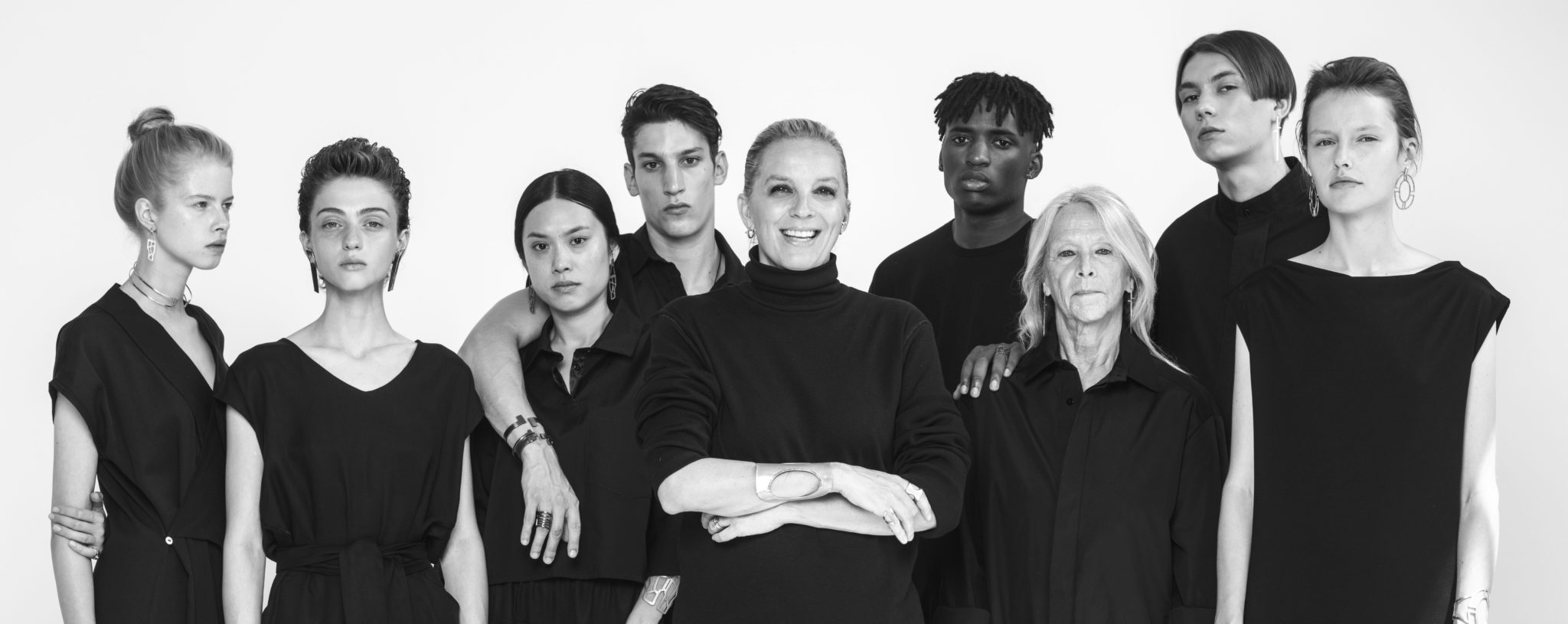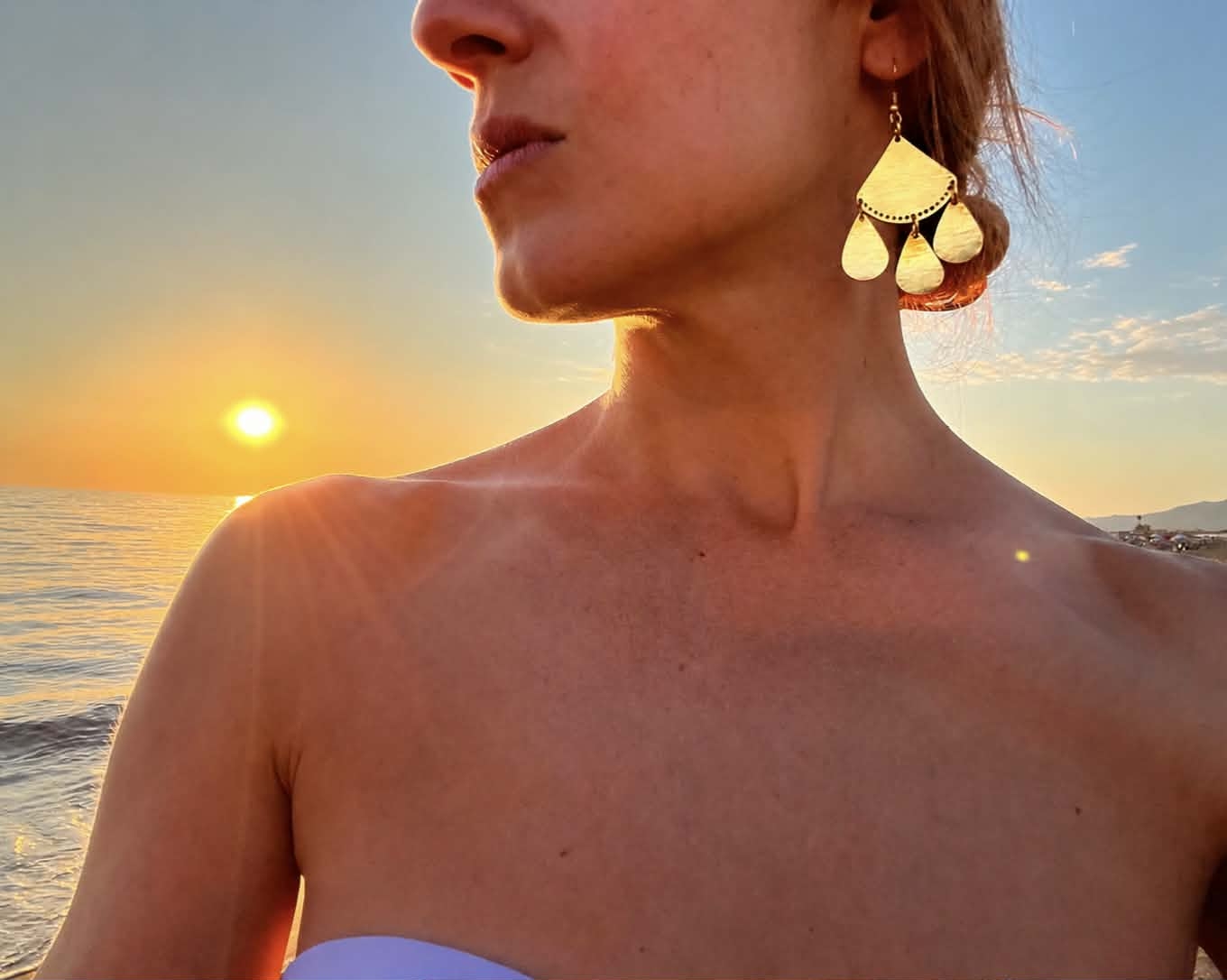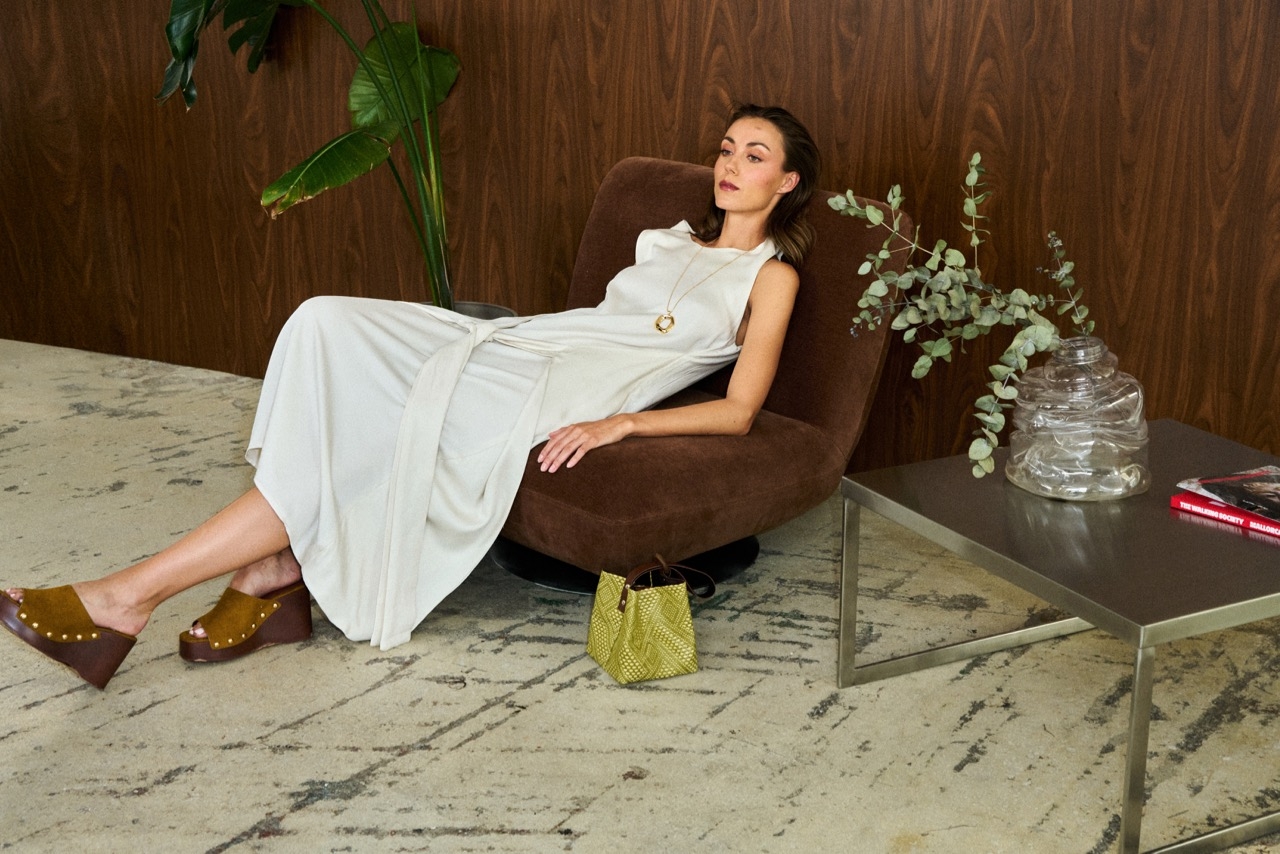

In Athens, jewellery is increasingly moving beyond the boundaries of adornment. A new generation of designers is treating the jewel as an object of design, a vehicle for artistic expression, and a way of engaging with questions of identity, material, heritage and contemporary life. It is within this evolving landscape that O finds its place: as a creative studio and showroom, as a jewellery brand, and as a platform for collaboration.
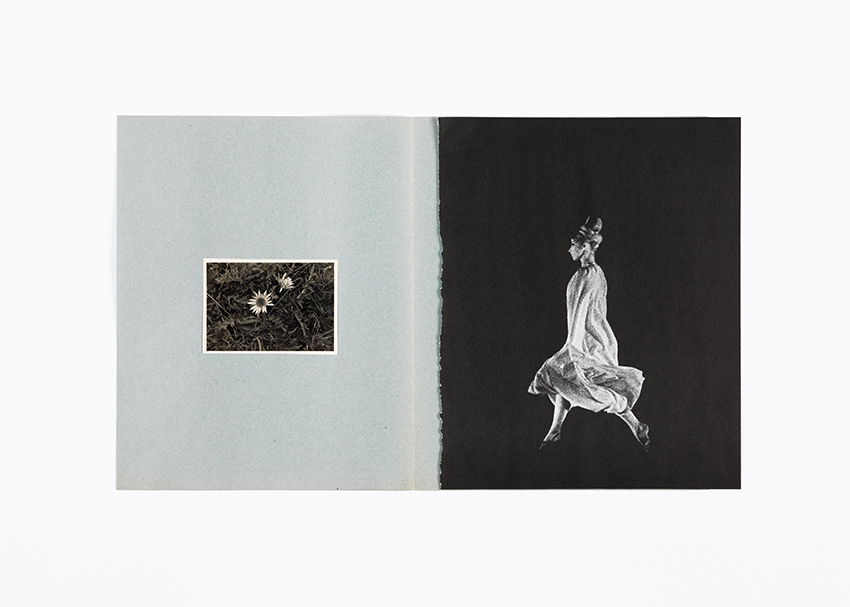
Based in Athens, Greece, O combines its own jewellery production with a curated programme of projects that brings together designers and artists from different disciplines. Rather than functioning solely as a conventional jewellery label, O proposes a broader creative environment—one in which jewellery can exist alongside art, objects, ideas and experimentation.
This approach feels particularly relevant in Greece today.
The value of contemporary Greek jewellery
Greece has an exceptionally rich relationship with jewellery. Its history stretches from ancient goldsmithing and classical forms to Byzantine traditions, folk craftsmanship and the silversmithing cultures of regions such as Epirus. Contemporary Greek designers are not simply reproducing this history; increasingly, they are questioning how it can be translated into a contemporary visual language.
Athens has become an important centre for this movement. The city is home to internationally recognised jewellery designers as well as a younger generation of independent studios working across precious metals, experimental materials, sculpture and conceptual design. The official Athens guide, for example, describes the city as home to many of the world's acclaimed contemporary jewellers, ranging from designers who engage directly with ancient techniques to those working with distinctly modern materials and references.
What makes this scene particularly valuable is its diversity. There is no single definition of what “Greek jewellery” should look like. Some designers draw from antiquity, Byzantine imagery or local craft traditions; others deliberately distance themselves from recognisable Greek references. Some work within the language of luxury, while others approach jewellery almost as wearable sculpture.
Contemporary studios such as Both Jewellery Studio, for instance, explicitly seek to push beyond traditional jewellery-making and make contemporary design part of everyday Greek life. Other practices, such as AENÁLIA, investigate lesser-known histories of Greek jewellery and reinterpret neo-Hellenic traditions through contemporary design.
Together, these approaches demonstrate that the value of Greek jewellery today lies not only in craftsmanship, but in authorship. The designer becomes an interpreter of culture rather than simply its reproducer.
Jewellery as a contemporary language
The most interesting developments in Greek jewellery are perhaps taking place where jewellery intersects with art and design.
A jewel can be intimate and monumental at the same time. It occupies the body, but it can also be considered as an independent object. It can carry cultural memory while remaining completely personal. This ambiguity gives contemporary jewellery a unique position within the creative landscape.
Recent Greek practices increasingly reflect this expanded understanding. Contemporary jewellery has become a space through which designers explore identity, memory, society, ritual and the relationship between the body and the object.
This is where the model of O becomes particularly meaningful.
By combining a jewellery brand with a creative studio and showroom, O creates room for jewellery to be understood in conversation with other forms of creativity. Its own production establishes a recognisable point of view, while its curated collaborations open the space to other voices.
The result is less a traditional retail proposition and more a creative ecosystem.
O as a platform
The idea of curation is central to O.
To curate is to make connections: between different disciplines, generations, materials and ways of thinking. For a jewellery space, this can transform the experience of discovering a piece. Instead of encountering jewellery as an isolated commercial object, visitors encounter it within a wider context.
O's collaborations with designers and artists therefore have the potential to become an important part of its identity. They create opportunities for unexpected combinations and encourage dialogue between jewellery, art, architecture, fashion, sculpture and object design.
This collaborative philosophy also reflects something essential about Athens itself. The city's contemporary creative culture is characterised by an overlap between disciplines. Designers, artists, architects, makers and independent brands frequently operate within the same cultural landscape, sharing influences while developing highly individual practices.
O can become part of that conversation—not by attempting to define what Greek creativity is, but by creating a place where different interpretations can meet.
Beyond the idea of “Greekness”
For contemporary Greek jewellery, one of the most important questions is how to engage with Greece without becoming trapped by the idea of Greekness.
The temptation is understandable. Ancient Greece is one of the world's most recognisable cultural identities, and jewellery provides an obvious connection to that history. Yet contemporary Greek designers increasingly demonstrate that Greek identity can be expressed through attitude, materiality and craftsmanship rather than through literal symbols.
The new generation does not need to reproduce the meander, the laurel wreath or the ancient coin to communicate a relationship with Greece. A piece can be Greek because it was conceived in Athens, made by local craftsmen, informed by the Mediterranean landscape, shaped by a particular understanding of light and material, or simply because it reflects the creative conditions of the city.
This is an important shift from heritage as image to heritage as knowledge.
The continuing strength of Greek jewellery lies precisely in this ability to carry historical knowledge forward while allowing designers to reinterpret it. The contemporary scene can acknowledge its past without being defined by it.
The importance of “Made in Greece”
There is also a growing international appetite for Greek design more broadly. A 2026 guide to Athens' designers and creative shops describes a new generation of Greek designers whose work draws from local culture and natural beauty while contributing to a wider ambition to make “Made in Greece” a meaningful design identity.
Jewellery is particularly well positioned within this movement because it combines design with skilled making. It is small enough to travel internationally, yet intimate enough to retain a strong sense of authorship and place.
Greek jewellery can therefore operate on two levels: as an internationally relevant design object and as a deeply local form of making.
O's studio-and-showroom model speaks directly to this opportunity. It allows the brand to present its own work while simultaneously giving visibility to other creative practices. In doing so, it contributes to an ecosystem rather than simply adding another name to the market.
A future built on collaboration
The future of Greek jewellery will not be defined by a single aesthetic. Its strength will come from the coexistence of many different approaches: precious and experimental materials, heritage and abstraction, craftsmanship and technology, commercial jewellery and art jewellery.
There is already evidence of a strong desire to connect Greece's jewellery community with the wider international field. The Athens Jewelry Week, for example, was established with the intention of creating dialogue between Greek contemporary jewellers in Greece and abroad and placing their work within an international context.
O's emphasis on collaboration belongs to this same larger movement.
Its significance is therefore not only in the objects it produces, but in the conversations it can generate. A showroom can become a meeting point. A jewellery brand can become a platform. A collaboration can become a form of cultural exchange.
In a city as layered as Athens, this approach feels natural.
O has the opportunity to represent a contemporary understanding of Greek jewellery: confident in its origins but not confined by them; attentive to craftsmanship but open to experimentation; local in its physical presence yet international in its outlook.
Ultimately, the value of today's Greek jewellery designers lies in their ability to make jewellery matter beyond the jewel itself. They transform material into narrative, craft into authorship and heritage into something living.
And spaces such as O can help give that new language a place to be seen, experienced and shared.