
The Greek economic crisis that began in 2009 could have crushed a generation's ambition.
Instead, it did something almost paradoxical : it forced a reinvention.
With banks tightening, jobs disappearing, and safety nets thinning, a wave of Greeks stopped waiting for institutions to fix things and started building on their own terms.
Designers left corporate jobs to launch their own labels. Families turned generations-old agricultural know-how into export-ready products.
Musicians, jewelers, hoteliers, and cosmetics chemists all made the same quiet bet: that Greek identity, its materials, its light, its history, its stubborn sense of beauty, was itself a competitive advantage, not a limitation.
Creativity as an Economic Strategy, Not Just an Aesthetic
What's happened since is not a single industry booming, but something more resilient: a broad culture of small, fiercely independent Greek brands succeeding internationally by being unmistakably Greek.
Instead of competing on price with mass manufacturing, these brands compete on story, craftsmanship, and design, categories where Greece has always had raw material to spare.
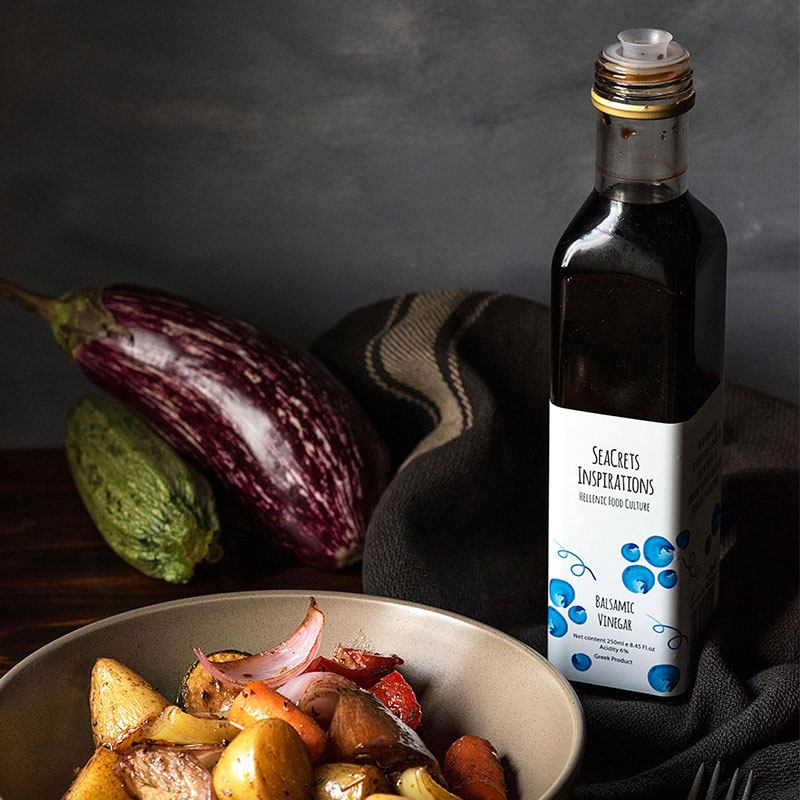
You can see it in food producers who took their grandparents' olive groves and turned them into premium export brands sold under strict international quality standards.
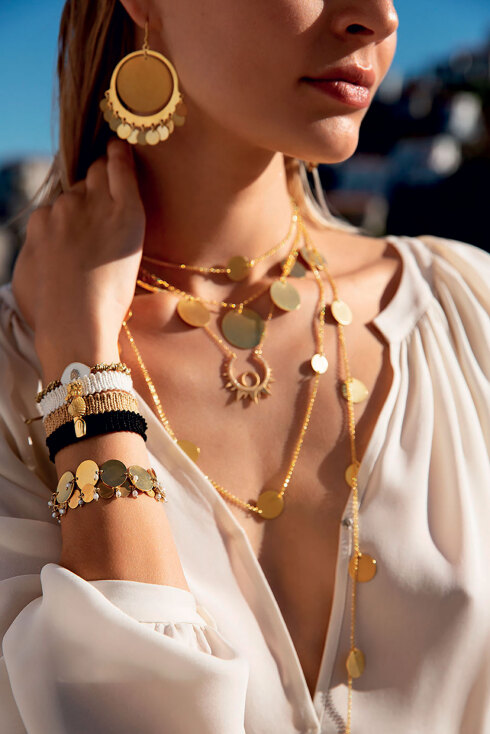
You can see it in jewelry designers trained at London's top art schools who came home to reinterpret Greek heritage techniques for global fashion houses.
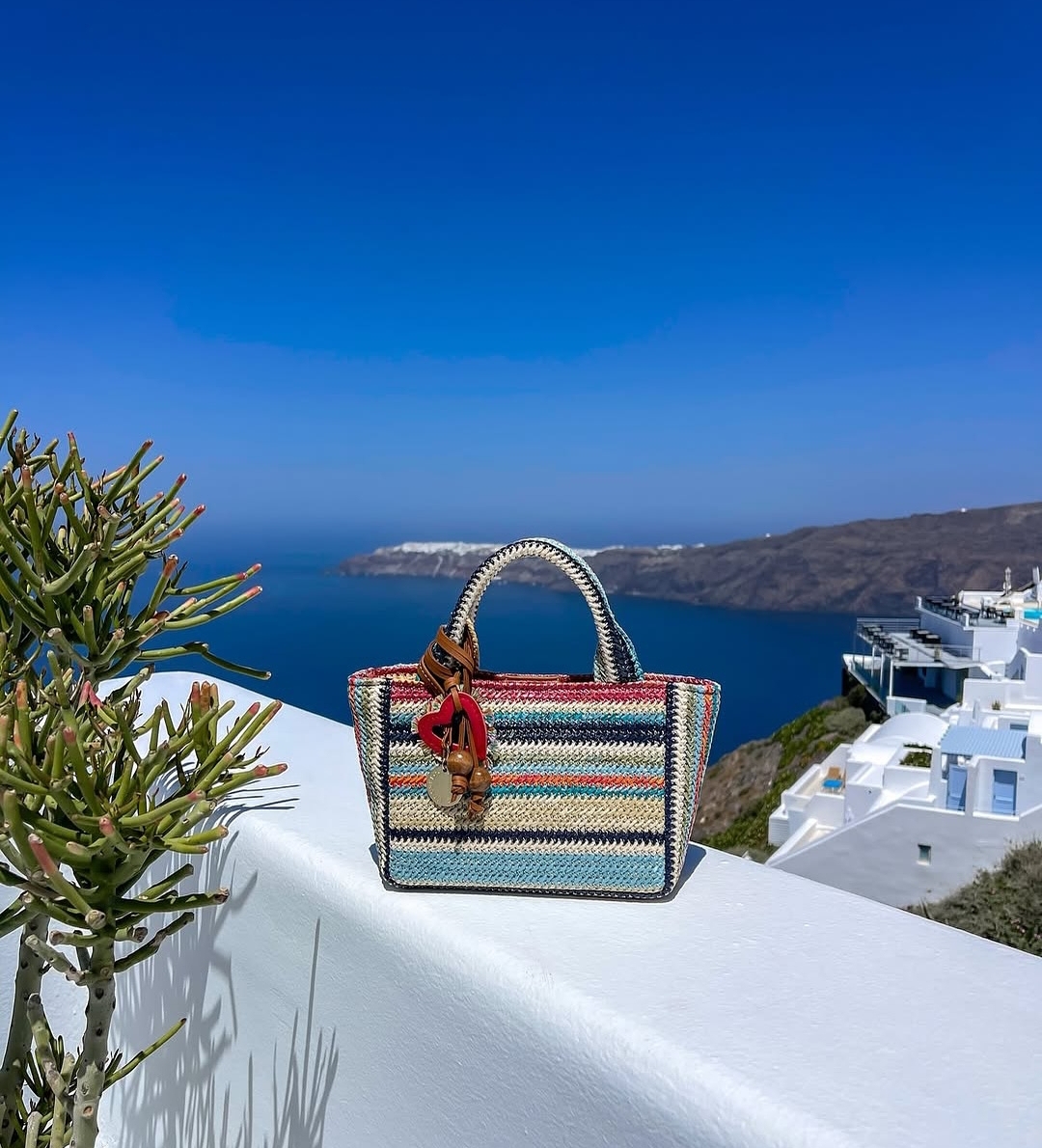
You can see it in swimwear and resortwear labels that turned "Mediterranean lifestyle" into a genuine international category, not just a marketing phrase. And you can see it in hospitality, boutique hotels and sustainable cosmetics lines that treat Greek hospitality itself as a design discipline, not an afterthought.
This is entrepreneurship built on culture rather than despite it. And it is precisely because these founders leaned into what made their offering distinctly Greek rather than diluting it to look more "international", that the international market noticed at all.
A New Generation of Brands, A New Kind of Confidence
The last fifteen years produced a specific kind of Greek entrepreneur: someone equally comfortable talking about heritage and about Instagram, about family tradition and about export logistics.
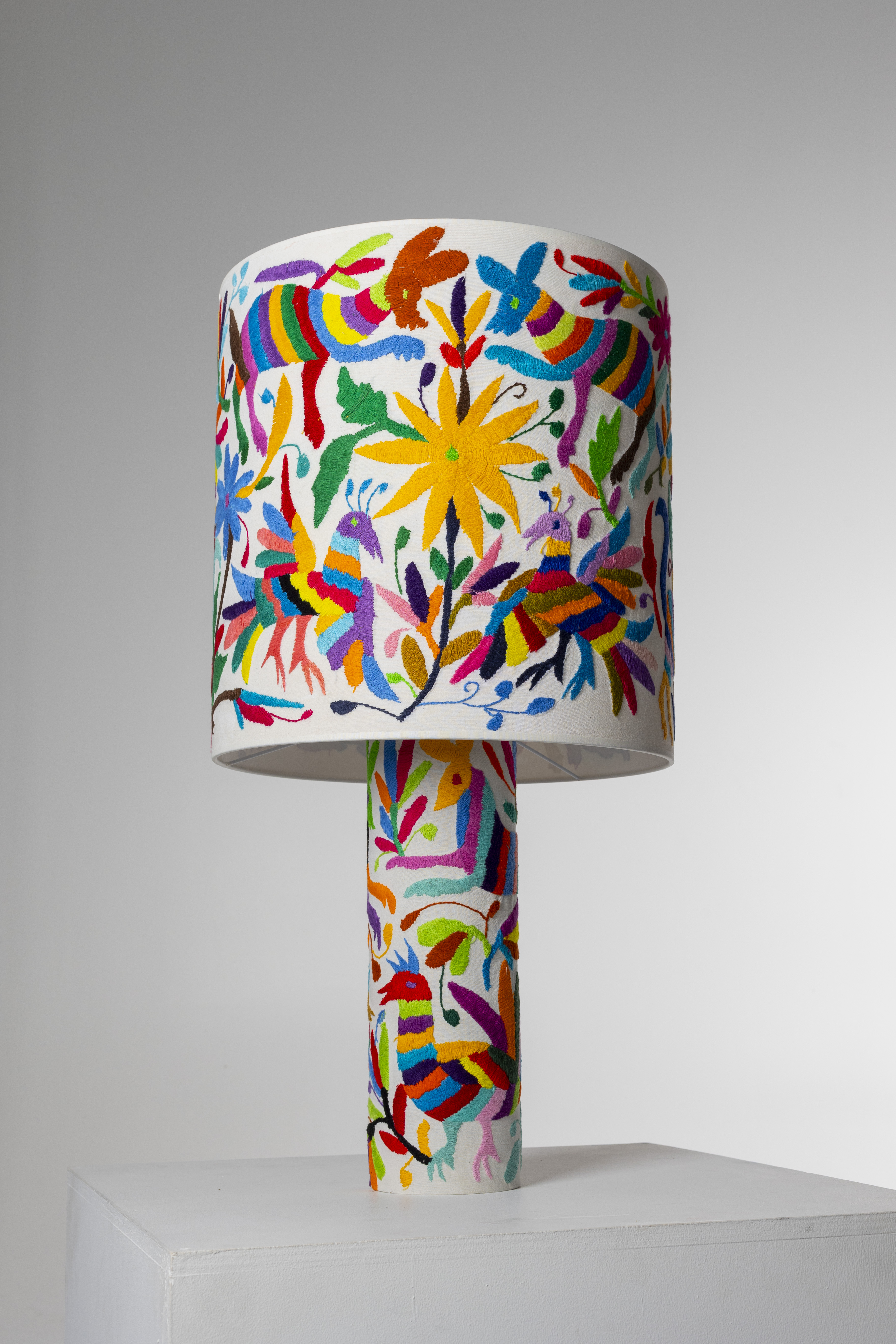
They are restoring old craft (vintage furniture reborn as design objects), reinventing natural products (Greek herbs, olive oil, and honey repackaged for a global gourmet audience), and exporting Greek fashion sensibility (swimwear, jewelry, and resortwear worn far beyond Greek shores).
Sustainability has become part of this story too — brands built around biodegradable formulas and recyclable packaging show that "Made in Greece" increasingly also means responsibly made.
Music and the arts have contributed their own kind of soft power, with independent Greek artists building international audiences on their own terms, without waiting for a major label's approval.
None of this happened because of a single government program or a single lucky break. It happened because a critical mass of individuals, designers, chemists, hoteliers, musicians, family producers, decided that creativity was not a luxury Greece could no longer afford, but the exact thing it could no longer afford to waste.
Why This Matters Beyond Greece
The Greek story of the last fifteen years is a useful lesson anywhere an economy leans too hard on old industries and too little on its own culture.
Recovery, in this telling, doesn't come only from macroeconomic policy — it comes from thousands of small, obsessive decisions to make something well, root it in a real place and a real history, and put it in front of a global audience.
Six Greek brands featured in this piece are a small but telling sample of that shift: proof that Greek creativity isn't a side note to the economy, it has become one of its engines.
(Photos and brand features below.)